Prototyping. Just do it.

Every designer will tell you to prototype. Although, there are some designers who go one step further. Paper prototyping. But why?

Are they just being fickle?

M Cobanli, the founder of OMC Design Studios, said; “Great design is the iteration of good design” in an article by the Interaction Design Foundation titled “Design iteration brings powerful results. So, do it again designer!

This iterative process is often called “rapid prototyping” or “spiral prototyping”

The article continues: 

[…] “Why? It’s because it is almost always cheaper and easier to create a prototype to test than it is to develop a system or product and then amend that based on user feedback. There are a huge number of tools on the market that allow you to create interactive prototypes for web and software applications and most of these are low cost to adopt” […]

So prototyping is cheap and efficient? But they are talking about digital prototyping. What about those paper fans?

Mariyamelshrieff explores the paper plane in her article titled Case Study: The Importance of Paper Prototyping. Mariyamelshrieff writes “a pencil and paper are all you need to come up with the next big solution”.  

“we needed to conduct research, just like any UX process”

Mariyamelshrieff continues:

[…] “We conducted two of these design studios. My team wanted to figure everything from the solution from the first design studio. In the second design studio, we spent it in refining the layout of the sketch we choose to move forward with rather than testing it on a paper-prototype. Recalling back, I think that’s where we went wrong, and I wish I advocated more for this rather than some design”.

So trying to save time by skipping straight to digital prototypes cost Mariyamelshrieff some valuable time during her project. By utilizing paper prototyping methods, a team can ideate their design more efficiently. So how do you do it?
“If a picture is worth a thousand words, then a prototype is worth a thousand meetings” writes Rikke Friis Dam & Yu siang Teo in their article titled Design Thinking: Get Started with Prototyping
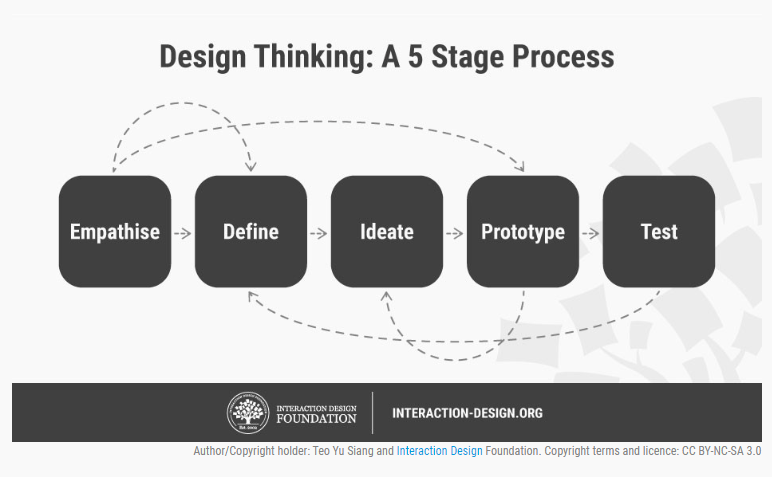
“prototyping allows us to test our ideas quickly and improve on them in an equally timely fashion”

Rikke Friis Dam & Yu siang Teo continue:

[…] “Many of us may recall the art of prototyping from our early childhood where we created mock-ups of real-world objects with the simplest of materials such as paper, card, and modelling clay or just about anything else we could get our hands on. There is not much difference between these types of prototypes and the early rough prototypes we may develop at the earlier phases of testing out ideas”. […]

No matter how you start, the important thing is to just do it. The benefits of prototyping, particularly with paper, are both financial and cognitive. Prototyping allows you to boost your design’s potential by fully exploring your solution. 

Tags: UX, UI, Information design, design thinking, design, designer, Mariyamelshrieff, Rikke Friis Dam & Yu siang Teo, Interaction Design Foundation
How bad could life as a designer be?

Most professions are demanding. But technology focused careers have a reputation of being incredibly so, particularly for designers and developers. 

Is that just how it is? Not if you can adapt.

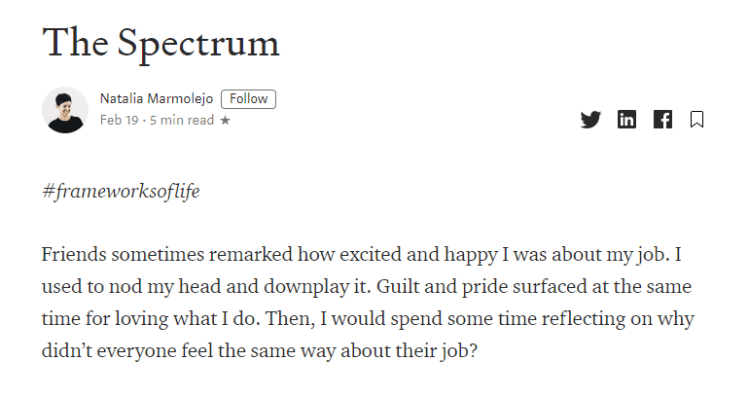
A fulfilling career is a spectrum, not a ladder” writes Natalia Marmolejo in her article titled The Spectrum

On one side of the spectrum we have frustration and on the opposite hunger

[..] “To the hungry designer, I must tell you, to be kind. To your uttermost self. To that relentless firecracker inside you. Take the time to decompress, slow down, and observe in silence. Retrospect with a loving, tender eye, creating space for the new, while assimilating your current view. Let your judgement stay at bay, and sigh to all you did or didn’t do today. Tomorrow will be a better day” […] 

How about navigating that spectrum? What could aid in that process? 
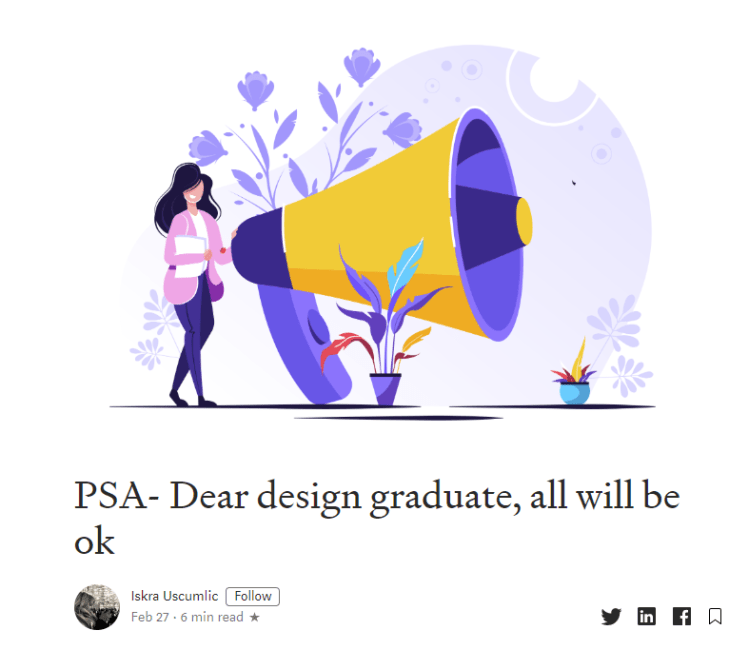
Iskra Uscumlic has some advice “get into a habit of embracing sucking at things when you start something new” from her article PSA- Dear design graduate, all will be ok

“Everyone coming out of school has more or less the same portfolio. E-v-e-r-y-o-n-e”

[…] “We all learn as we go. Don’t be afraid to give yourself time to learn and expand on the skillset you already have. Focusing on one area will allow you to see what you actually are interested in and what…kind of…sucks for you. And whatever your “ultimate goal” is, you will work your way up to it. We all did and do” […]

Expand your skillset. Find what you are interested in. So, what do companies want that I might be interested in?

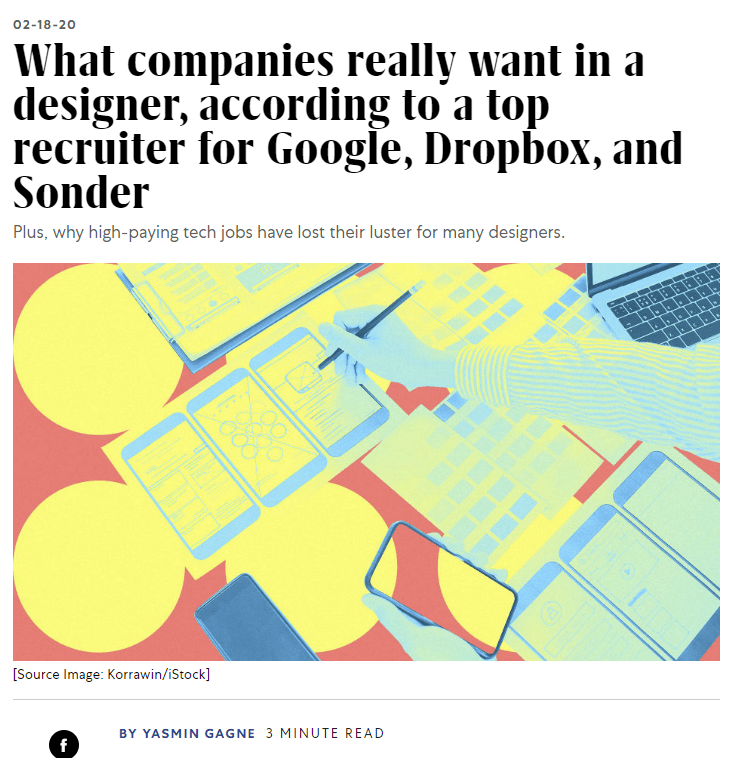
Judy Wert, the head of design recruiting agency Wert & Co., says “These jobs require “cross-functional thinkers,” in article by Yasmin Gagne titled What companies really want in a designer, according to a top recruiter for Google, Dropbox, and

have high-paying tech jobs have lost their luster?

[…] “candidates who have analytical capabilities combined with emotional intelligence and the ability to think of their work as it relates to serving customers … companies are looking for people who have an awareness of the consequences of design” […]

Diversify your skillset, be passionate, and explore the reasoning behind the decisions that have been in the products you use and design

ux, information design, design, designer, Yasmin Gagne, Natalia Marmolejo, Iskra Uscumlic, design career, student, college 

What do Nordstrom, Pixar, and Google have in common? UX

The commonality of an intuitive user experience with these corporate giants is no coincidence. But what about brick-and-mortar, and stores with physical locations? Do they benefit from user experience?  

The benefits of intelligent user experience transcend medium.

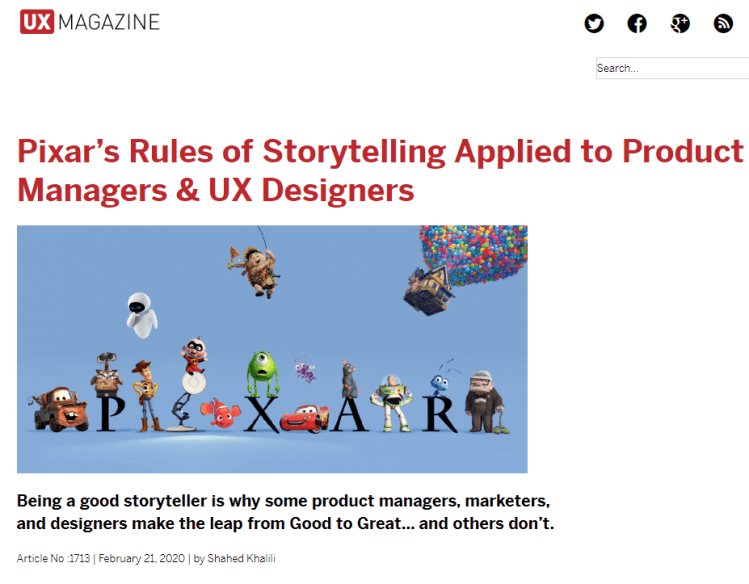
Why must you tell THIS story? What’s the belief burning within you that your story feeds off of? That’s the heart of it “ writes Shahed Khalili in his article Pixar’s Rules of Storytelling Applied to Product Managers & UX Designers

make the leap from Good to Great”

Khalili continues:

[…] “Tell a good story, and you’ll end up with a passionate team who works on product your customers love … Tell them what’s about to unfold, tell them you understand your user and what the user needs and wants to get done. Then you Show them how it happens. And finally to wrap up, you Tell them why they should care. What’s at stake if the job doesn’t get done” […]

To create an understanding with the user, as a designer, we must create a personal connection. Connecting the team to the user is key. So what about those physical locations I mentioned?


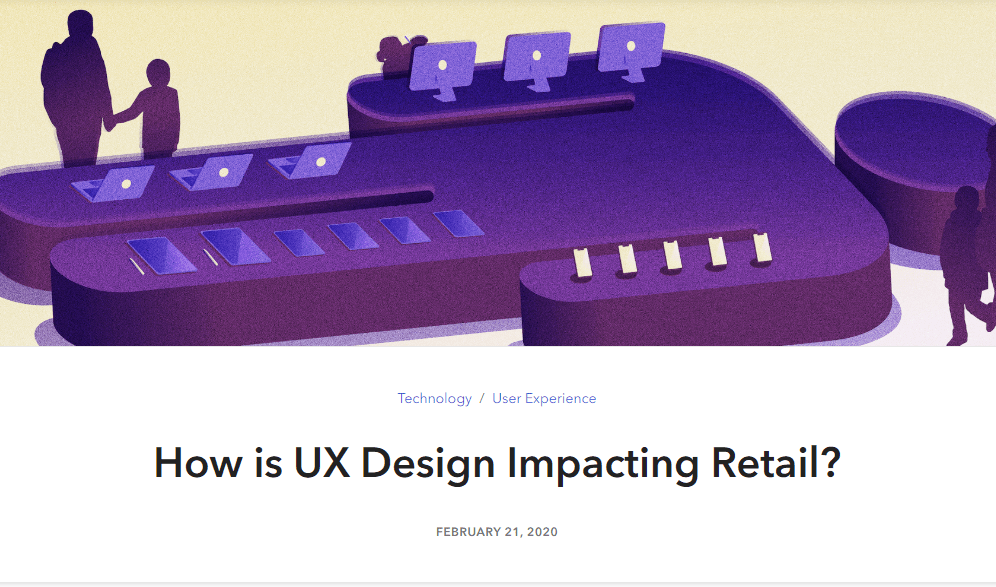
 “These stores transform into places where you go to learn more about the brand, to help create your product, to understand who is behind the product, to connect with the person who your online inquiry was answered by” written in a Brainstation blog post titled How is UX Design Impacting Retail?

The stores become beacons of the brand

The article continues:

[…] “Bricks-and-mortar locations opened by online retailers and the reverse is also true … VR and AR to improve shopping experiences — Bloomingdales and Nordstrom 3d body scanning to try on clothing” […] 

So in addition to boosting sales, the user experience has become a major of both the digital and physical shopping experience.

And Google? Does captivating storytelling, and adaptive technology play a big part in emails about videos you’ll never watch or calendar invites to your neighbours dog’s birthday party? Well yes actually, it does. 


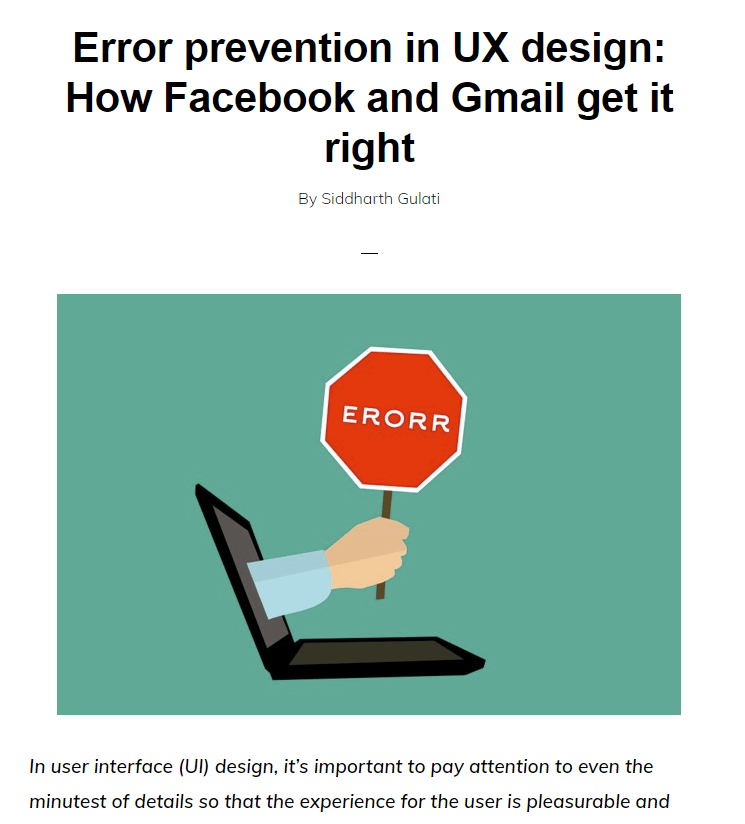
When sending an email, if I write “attach” in the main body of the email and forget to actually attach a file, it still allows me to send the email” writes Siddharth Gulati in his article Error prevention in UX design: How Facebook and Gmail get it right

Oops — “you didn’t actually attach your resume”

[…] “alerting a user when they’re making an error, with the intention to make it easy for them to do whatever it is they are doing without making a mistake. The main reason this principle of error prevention is important is that we humans are prone to- and will always make mistakes” […]

And in doing, gmail has just told you a story about how you messed up. Memorable. Effective. An intuitive user experience. 

Tags: design, ux, information design, blog, design, engineering, product design, UX, information design, gmail, google, pixar, nordstroms

Who is the better product designer?

Product design is a combination of multiple fields, from engineers to designers. The constant back and forth between departments, why not set one team loose on the problem until they solve it?

Maybe there is something in team communications that offers perspective to the process

The way teams work together is a critical factor in their success and designers operating as part of such a team have their part to play in this” according to an article posted on the Interaction Design Foundation titled An Overview of The Factors of Success for New Product Development 
As Michael Jordan, the world famous athlete and basketball superstar says; “Talent wins games, but teamwork and intelligence wins championships.”

Cool. And? Besides, haven’t some of the greatest designers of the past decade been scientists and engineers? Designers like Matias Duarte, Julie Zhou, Jared Spool, and Don Normal all have technical backgrounds as scientists and engineers. 

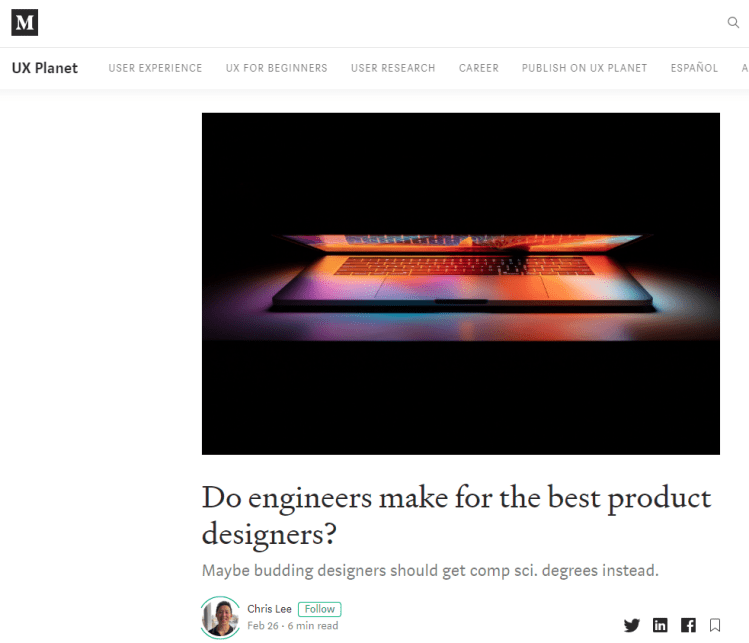
Design and engineering  … One prescribes a solution, the other makes the solution possible” writes Chris Lee in his article Do engineers make for the best product designers?

“Maybe budding designers should get comp sci. degrees instead.”

Lee continues:

[…] “When humans wanted to cross the ocean, we first needed someone to dream about the possibility of being able to cross the ocean on a ship. That person needed to be able to see something that had not yet physically manifested itself in the minds of his or her peers, and design a solution that would fit the ideal version of a solution to the problem. The designer(s) could have been inspired by an engineering breakthrough at the time for nautical travel, or perhaps the then impossible dream of a trans-continental ship is what challenged the engineers to make it feasible” […]

Teamwork and collaboration are key to functional design teams. Other than engineers and designers, who else could be connected?


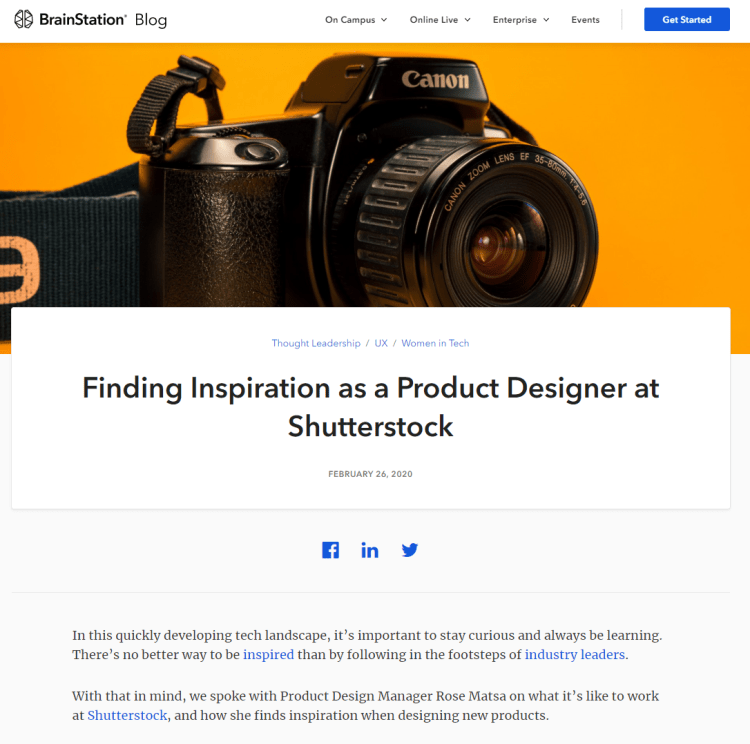
Conduct user research, and do it as often as you can. Eventually, you’ll start to see the patterns and common pain points” stated in this Brainstation post titled Finding Inspiration as a Product Designer at Shutterstock

“ways to create without compromising on method, medium, and vision”

The post continues:

[…] “The Product and UX teams regularly run design sprints to explore new ideas centered around important initiatives. The format is such that it allows breakthroughs in approach that are a few steps beyond just simple iteration. As a company, we also have twice-a-year hackathon events where cross-functional teams come together to build new and exciting things. Many of the projects that have come out of our hackathons have gone on to become part of the Shutterstock platform” […]

Teamwork and communication between multidisciplinary professionals is essential to product design teams. Universal understanding about constraints, expectations, and outcomes are as essential as teamwork to any project. 

Tags: design, engineering, product design, UX, information design, shutterstock, Chris  Lee, Interaction design foundation, brainstation, designer

Forget design conventions! Well, maybe not all of it.

We’ve all seen it, that flashy new gadget comes out and everyone goes “wow, it’s cool but what a terrible design”. It’s shocking when something upsets our expectations. 

So why does it work?

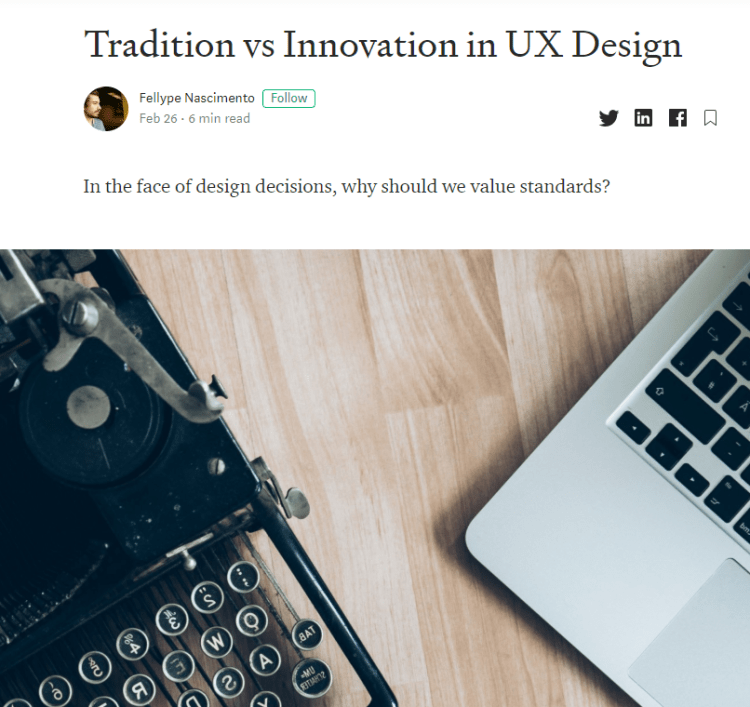
readjust the design, think outside the box..” writes Fellype Nascimento in his UX Planet article titled  Tradition vs Innovation in UX Design

“In the face of design decisions, why should we value standards?”

Nascimento continues:
[…] “innovation is much more a transformation process than of creation process
Deriving our design from conventional patterns allows designers to innovatively transform their designs”
[…]

So derive and transform? Got it! Or is that always the best approach?

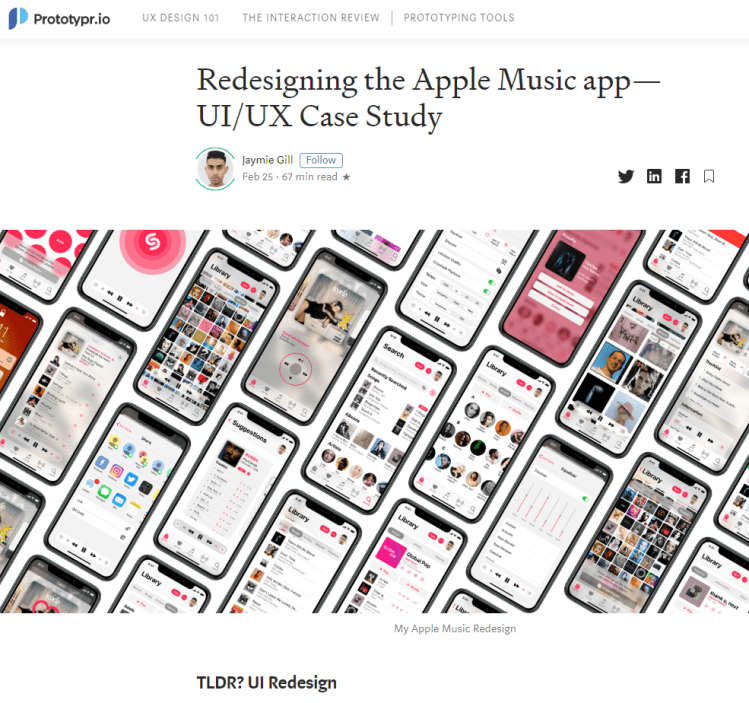
Jaymie Gill took a stab at transforming the Apple Music UI. In his case study, Redesigning the Apple Music app— UI/UX Case Study he writes “if I changed/added a feature: problem + solution = what + why”.

Redesigning some of Apple’s design choices

Gill continues: 

[…] This case study is not about reinventing the wheel in terms of UI. The goal was to upgrade the app, not completely overhaul it with a new design system. It was about building upon the current foundations already laid by Apple and leveraging it to maximise the user experience […]

Building on existing foundation is a productive approach to user experience design, especially when that foundation is Apple. What else can we learn from the industry giant?


“With the company verging on becoming the world’s first $1 trillion business organization – there’s a lot that designers can learn from Apple and introduce into their own design environments” says an Interaction Design Foundation article titled Apple’s Product Development Process – Inside the World’s Greatest Design Organization
Iterate, iterate, iterate.

The article continues: 

[…] “Apple’s Product Development Process may be one of the most successful design processes ever implemented … You may not be able to emulate all of their processes within the space of your own workplace but there’s no reason that you can’t develop written processes for design phases and launch phases of your projects, for example” […]

As innovative and radical as a design may be, the designers responsible for it considered the standards and chose meaningful deviations in order to transform their design into something profound. 

Tags: UX, UI, Information design, Apple, IOS, Apple Music, design thinking, design, designer, Fellype Nascimento, Jaymie Gill, Interaction design

As the complexity of technology increases, the need for design writing skills follows.

User experience is an essential part of product design. After all, it’s the user who will purchase and use your product, unless that is, they can’t figure out how. 

That’s where design writing steps in.

“As the apps and websites that we use become increasingly complex, the need for clear guidance within them also grows,” writes Yuval Keshtcher in his careerfoundry article from earlier this year titled What Does A UX Writer Actually Do?

‘A copywriter’s job is to help sell a product, a UX writer does more than that’ — says Yuval

Luval continues:

[…] as these digital products become more a part of our daily lives, we as users seek out those that give us the most natural and fluid experience. These changes in the way we interact with technology have led to the creation of UX writing as a discipline in its own right. Some would say the UX writer is the most creative position on the team as they use that creativity to find solutions to problems the end-user would potentially face […]

Sounds great, in theory. But why not just let the designers focus on, ya know, design? Simple. It’s wasteful.


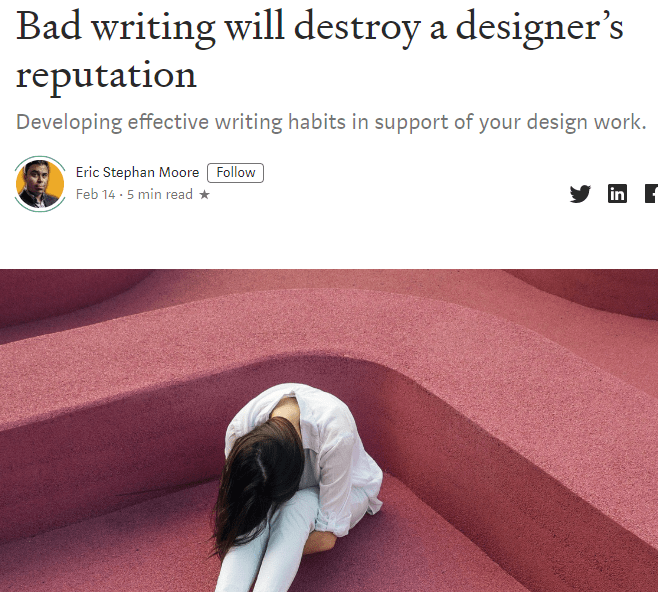
“Bad design writing is just bad writing. Poorly written material wastes productive time” writes Eric Stephan Moore in his Medium article Bad writing will destroy a designer’s reputation

Bad writing can stunt projects and waste resources. Leaving you with a bad mark on you  record

Moore continues:

[…]  “Writing is frequently ineffective because it’s too long, poorly organized, unclear, filled with jargon, and imprecise. Designing is about telling stories … portfolios must not only showcase skills and work histories but a representation of storytelling. The story gets people excited about the design. The excitement gets budgets approved, and designers paid” […]

So designers who can write are not only useful, but also highly valued? By using the proper language, designers can tell a story to guide their work and excite the user. 

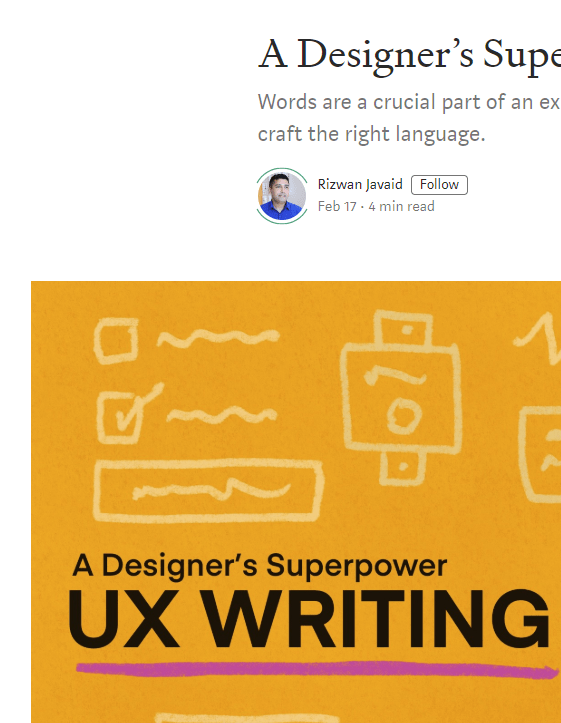
“Design solves problems and writing is an essential part of that effort” writes Rizawan Javaid in his article A Designer’s Superpower: UX Writing 

User experience is about the user. Writing and communicating is a major component.

Javaid continues:

[…] “Taking a jumble of words through this process and arriving at just the right language for your users takes a steady mindset, focus, and a will to do what is right for the user .. By using the right words in your product you can help your users be successful in achieving their goals” […]

Organizing the problem into a usable solution. That sounds like a ‘self-help’ mantra, but writing is a large part when ‘organizing’ a user experience ‘problem’ into a ‘solution’ you design. 

Tags: Yuval Keshtcher, Eric Stephan Moore, Rizawan Javaid, UX, Information design, User experience, Technical communications, design, UI, CX

Design a site like this with WordPress.com
Get started