User feedback is a component of UX design, obviously. But when do you go beyond just considering that feedback and actually apply it?
How do you, the designer, navigate that?
“Understanding a problem, clearly establishing its premise and whom that solution is for, is only part of the journey” writes Pedro Canhenha in his article Feedback and the Design Process
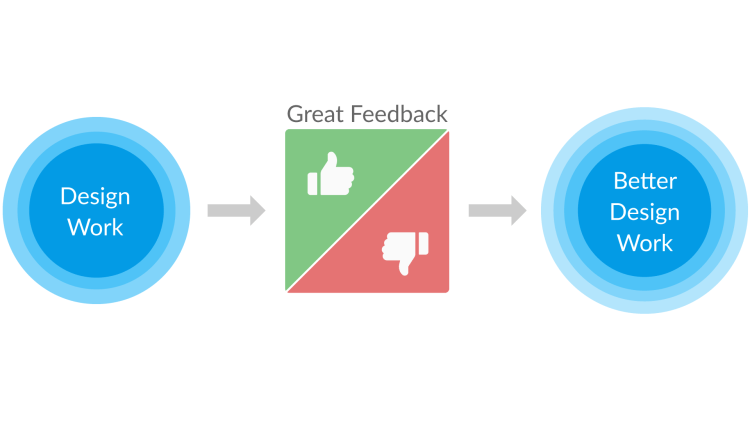
Canhenha continues:
[…] “Once that idea has been shaped into something that can be tested, and once that prototype is indeed tested, something more substantially starts occurring — formal, quantifiable feedback, that reflects users perception of utilizing that same product or feature” […]
Quantifiable feedback, reflective of user perceptions. Sounds like a ‘design thinking’ bumper sticker. So, what about the unexpected feedback?
“There’s an element of uncertainty and unpredictability in every research session that makes it exciting and challenging” writes Taylor Nguyen in her article Handling difficult situations in user research sessions

Nguyen continues:
[…] “Forget everything you know. When you’re with users, you’re a beginner learning through someone else’s experience. Yes, it makes you look like you don’t know anything — which is difficult when part of your identity is being an expert. But there’s a lot of insights you can gain when you are able to challenge your assumptions” […]
In finding a common ground with the user, you can find insight and new aspects to enhance your understanding of the problem. But wait, isn’t that what user personas are for?
“The biggest impediment to delivering well-designed products and services is a lack of understanding about our users” writes UX veteran Jared Spool in his article Undervaluing User Research is a Deadly Disease – UX Strategy Playbook with Jared Spool

Spool continues:
[…] “Just yesterday, one design leader shared an additional insight with me. “The people who exert the most influence over the user experience often have the least amount of contact with our users,” he said. I’ve found this to be completely true. In most projects, there are executives and stakeholders who make critical decisions that influence our users’ experiences. They decide how much money will be budgeted for the project, how much time the project can take, and how many people will work on it. Each of these decisions will have a dramatic influence over what the team can deliver to their users” […]
Feedback from actual human users is irreplaceable when designing products for, ya know, humans. In order to exhaust the potential variables in your solution you must have a concrete understanding of who you are designing for, the real user.
Tags: UX, UI, Information design, design thinking, design, designer, research, user experience, Jared Spool, Taylor Nguyen, Pedro Canhenha
 Logan Senko