The commonality of an intuitive user experience with these corporate giants is no coincidence. But what about brick-and-mortar, and stores with physical locations? Do they benefit from user experience?
The benefits of intelligent user experience transcend medium.
“Why must you tell THIS story? What’s the belief burning within you that your story feeds off of? That’s the heart of it “ writes Shahed Khalili in his article Pixar’s Rules of Storytelling Applied to Product Managers & UX Designers
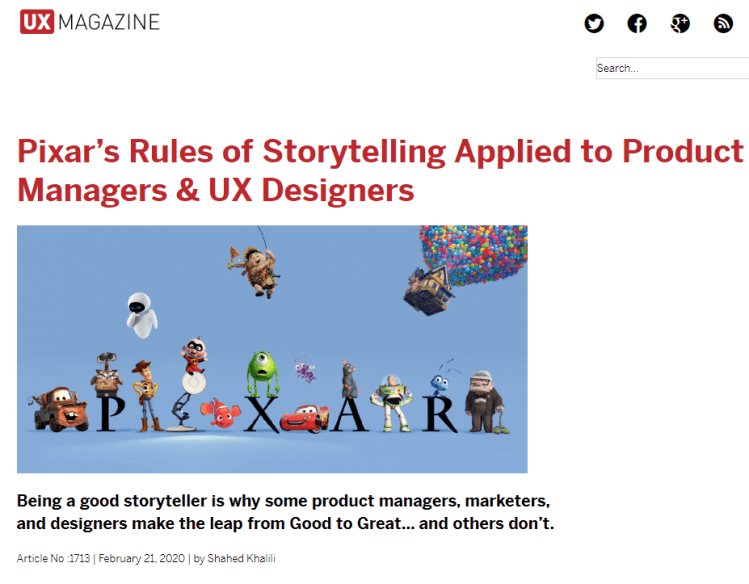
Khalili continues:
[…] “Tell a good story, and you’ll end up with a passionate team who works on product your customers love … Tell them what’s about to unfold, tell them you understand your user and what the user needs and wants to get done. Then you Show them how it happens. And finally to wrap up, you Tell them why they should care. What’s at stake if the job doesn’t get done” […]
To create an understanding with the user, as a designer, we must create a personal connection. Connecting the team to the user is key. So what about those physical locations I mentioned?
“These stores transform into places where you go to learn more about the brand, to help create your product, to understand who is behind the product, to connect with the person who your online inquiry was answered by” written in a Brainstation blog post titled How is UX Design Impacting Retail?
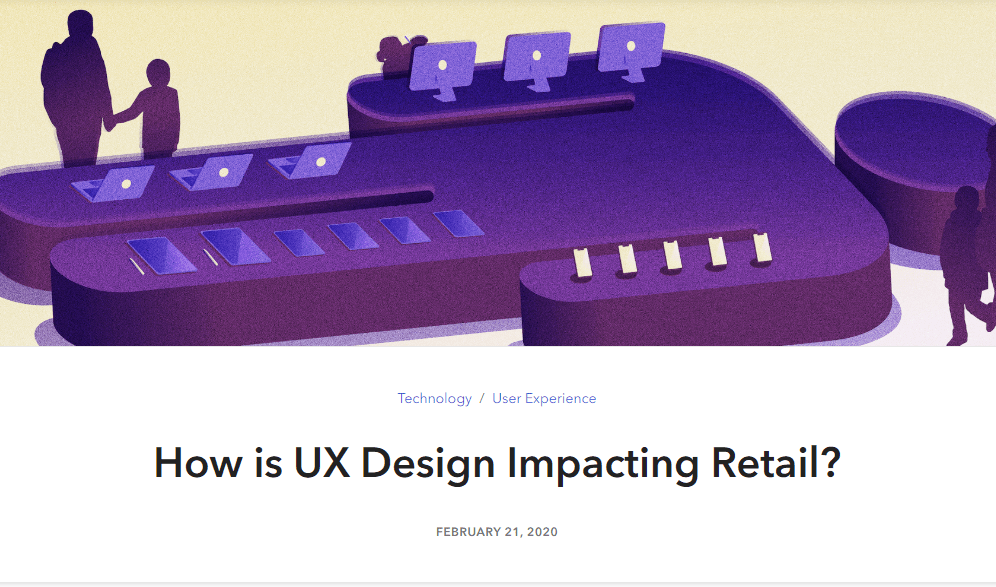
The article continues:
[…] “Bricks-and-mortar locations opened by online retailers and the reverse is also true … VR and AR to improve shopping experiences — Bloomingdales and Nordstrom 3d body scanning to try on clothing” […]
So in addition to boosting sales, the user experience has become a major of both the digital and physical shopping experience.
And Google? Does captivating storytelling, and adaptive technology play a big part in emails about videos you’ll never watch or calendar invites to your neighbours dog’s birthday party? Well yes actually, it does.
“When sending an email, if I write “attach” in the main body of the email and forget to actually attach a file, it still allows me to send the email” writes Siddharth Gulati in his article Error prevention in UX design: How Facebook and Gmail get it right
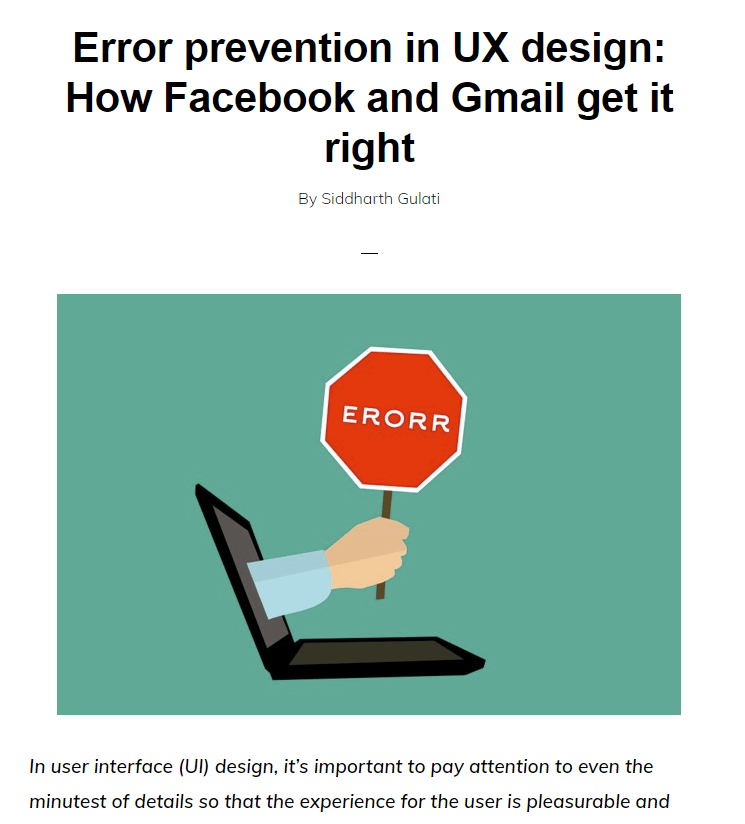
[…] “alerting a user when they’re making an error, with the intention to make it easy for them to do whatever it is they are doing without making a mistake. The main reason this principle of error prevention is important is that we humans are prone to- and will always make mistakes” […]
And in doing, gmail has just told you a story about how you messed up. Memorable. Effective. An intuitive user experience.
Tags: design, ux, information design, blog, design, engineering, product design, UX, information design, gmail, google, pixar, nordstroms
 Logan Senko